
Why Baby Teeth Matter More Than Most San Antonio Parents Realize

"They're just going to fall out anyway." This reasoning leads countless San Antonio parents to postpone dental treatment for their children's baby teeth, assuming these temporary teeth don't warrant significant attention or investment. After all, why spend time and money fixing teeth that nature will replace within a few years?
This seemingly logical thinking overlooks a crucial reality: baby teeth play critical roles in your child's development that extend far beyond their brief presence in the mouth. Understanding these functions reveals why pediatric dentists emphasize early care and prompt treatment for primary teeth, even when their days are numbered.
The Hidden Jobs Baby Teeth Perform
Primary teeth do far more than create adorable toothy grins in family photos. Each baby tooth serves specific purposes essential to your child's growth and development throughout the Alamo Ranch community and beyond.
Space Maintenance: Baby teeth hold space for permanent teeth developing beneath the gums. Each primary tooth acts as a natural placeholder, guiding the permanent tooth into proper position. When baby teeth are lost prematurely due to decay or trauma, adjacent teeth drift into the empty space. This drifting eliminates room for the permanent tooth, often necessitating orthodontic treatment to create adequate space later.
Proper Nutrition: Healthy baby teeth allow children to chew a variety of foods effectively. Kids with painful or missing teeth often avoid crunchy fruits, vegetables, and proteins—the very foods supporting healthy growth. This dietary limitation during critical developmental years can affect overall nutrition and establish poor eating patterns extending into adulthood.
Speech Development: Primary teeth, particularly the front ones, are essential for proper speech formation. Children learn to form specific sounds by positioning their tongue against their teeth. Missing or severely decayed front teeth can interfere with speech development, potentially requiring therapy to correct articulation problems that might have been prevented through proper dental care.
Jaw Development: Chewing forces transmitted through baby teeth stimulate proper jaw growth. The bones in your child's face develop in response to functional use. Healthy teeth that allow normal chewing encourage balanced jaw development, while dental problems that limit chewing can affect facial growth patterns.
Self-Esteem: Children with dental pain or visibly decayed teeth often feel self-conscious, affecting their willingness to smile, speak up in class, or engage socially. These early experiences shape personality development and confidence levels that persist long after baby teeth have been replaced.
What Happens When Baby Teeth Are Neglected
Dental problems in primary teeth create consequences extending well beyond the affected tooth. The complications cascade throughout the mouth and can impact permanent teeth before they even emerge.
Tooth decay doesn't respect the temporary nature of baby teeth. Cavities in primary teeth can progress rapidly, reaching the nerve and causing painful infections. These infections affect not only the baby tooth but also the developing permanent tooth beneath it. Severe infections can damage the permanent tooth's enamel before it even erupts, leaving it more susceptible to decay throughout life.
Abscessed baby teeth create discomfort that interferes with eating, sleeping, and concentration at school. Parents throughout San Antonio often don't realize the extent of their child's dental pain until treatment eliminates it. Children adapt to chronic discomfort, assuming everyone experiences similar sensations, and may not complain even when infections are significant.
Early tooth loss from untreated decay initiates a domino effect throughout the mouth. As mentioned earlier, adjacent teeth drift into spaces left by prematurely lost teeth. This drifting doesn't just affect the immediate area—it can disrupt the alignment of the entire dental arch. What might have been a straightforward orthodontic case can become complex, requiring years of treatment and significantly higher costs.
Infection from baby teeth can spread beyond the tooth itself. Dental abscesses can affect nearby structures, and in rare cases, bacteria from dental infections can spread to other parts of the body. While serious complications are uncommon, they represent risks that are entirely preventable through proper dental care.
The Right Timeline for Baby Tooth Care
Many San Antonio parents aren't sure when dental care should begin for their children. The American Academy of Pediatric Dentistry provides clear guidance: your child should see a pediatric dentist by their first birthday or within six months of their first tooth appearing.
This early timing isn't arbitrary. Establishing a dental home early allows pediatric dentists to monitor development, identify potential problems before they become serious, and educate parents about proper home care. These early visits also familiarize children with the dental office in a non-threatening context, building comfort and trust that make future appointments easier.
The first few years involve rapid changes in your child's mouth. Teeth erupt on varying schedules, bite relationships develop, and habits form that affect dental health. Regular visits allow Dr. Victoria Ramirez, Dr. Alina Jafferbhoy, and their team at Alamo Ranch Children's Dentistry & Braces to track this development and intervene promptly if concerns arise.
Preventive care during these early years proves far more comfortable and cost-effective than treating problems after they develop. Fluoride treatments strengthen developing enamel. Dental sealants protect the deep grooves in molars where cavities commonly form. These simple interventions prevent most of the decay that would otherwise require fillings or crowns.
Treatment Options That Preserve Baby Teeth
Modern pediatric dentistry offers numerous options for treating baby teeth while minimizing discomfort and preserving tooth structure. Understanding these treatments helps parents feel confident in their decision to address dental problems promptly rather than waiting for permanent teeth.
Dental Fillings: Small to moderate cavities respond well to tooth-colored composite fillings. These restorations remove decay while preserving most of the natural tooth structure. The procedure is quick and relatively simple, especially when decay is caught early through regular checkups.
Dental Crowns: When decay is extensive or a tooth requires root canal treatment, crowns provide complete coverage that protects the remaining tooth structure. Stainless steel crowns offer exceptional durability for back teeth, while tooth-colored options like zirconia provide aesthetic solutions for visible areas. These crowns remain in place until the baby tooth naturally falls out on schedule.
Pulp Therapy: When decay reaches the nerve of a baby tooth, pulp therapy (sometimes called a baby root canal) can save the tooth. This treatment removes infected tissue from inside the tooth while preserving the roots that maintain space for the permanent tooth. A crown typically follows pulp therapy to protect the treated tooth.
Extractions: In some cases, extracting a severely damaged baby tooth proves necessary. When extraction occurs before the permanent tooth is ready to erupt, space maintainers prevent adjacent teeth from drifting into the gap. These appliances preserve room for the permanent tooth, preventing more complex orthodontic problems later.
Sedation Options: Alamo Ranch Children's Dentistry & Braces offers various sedation options for children who need help relaxing during treatment. From nitrous oxide (laughing gas) to oral sedation and general anesthesia for extensive treatment, these options ensure your child's comfort while allowing the dental team to provide necessary care efficiently.
Prevention: The Foundation of Healthy Baby Teeth
While treatment options exist for dental problems, prevention remains the ideal approach. Establishing good oral health habits early sets the foundation for a lifetime of healthy teeth.
Brushing should begin as soon as the first tooth appears. Use a soft-bristled infant toothbrush with a rice-grain-sized amount of fluoride toothpaste. As your child grows and more teeth erupt, increase to a pea-sized amount around age three. Parents should brush their child's teeth or supervise brushing until around age seven or eight, when children develop the dexterity for effective independent brushing.
Flossing becomes important once teeth touch each other. Many parents overlook this step for baby teeth, but food and plaque accumulate between teeth just as readily in children as adults. Daily flossing prevents cavities between teeth—areas that brushing alone cannot reach.
Diet plays a crucial role in dental health. Frequent snacking, especially on sugary or starchy foods, bathes teeth in cavity-causing acids throughout the day. Limiting snacks to scheduled times and choosing healthier options like fruits, vegetables, cheese, and nuts supports dental health. Sippy cups containing milk, juice, or other sugary beverages should be avoided, especially at bedtime, as prolonged exposure to these liquids causes rapid decay.
Regular dental visits every six months allow early detection of problems. What appears minor during a checkup—perhaps a small area of enamel breakdown—can progress to a large cavity requiring extensive treatment if left unaddressed for months. The difference between a simple filling and a crown often comes down to how quickly problems are identified and treated.
Why Specialized Pediatric Care Matters
General dentists can treat children, but pediatric dentists complete additional years of specialized training focusing exclusively on children's dental health and development. This expertise makes a significant difference in the quality and appropriateness of care your child receives.
Pediatric dentists understand the unique behavioral and emotional needs of children at different developmental stages. They know how to communicate with anxious toddlers, energetic preschoolers, and self-conscious school-age children. This specialized communication creates positive dental experiences that build comfort and cooperation rather than fear and resistance.
The physical differences between children's and adults' teeth require specialized knowledge. Primary teeth have thinner enamel that cavities penetrate more quickly. The proximity of developing permanent teeth beneath baby teeth demands careful technique during treatment. Pediatric dentists receive specific training in these anatomical differences and treatment modifications they necessitate.
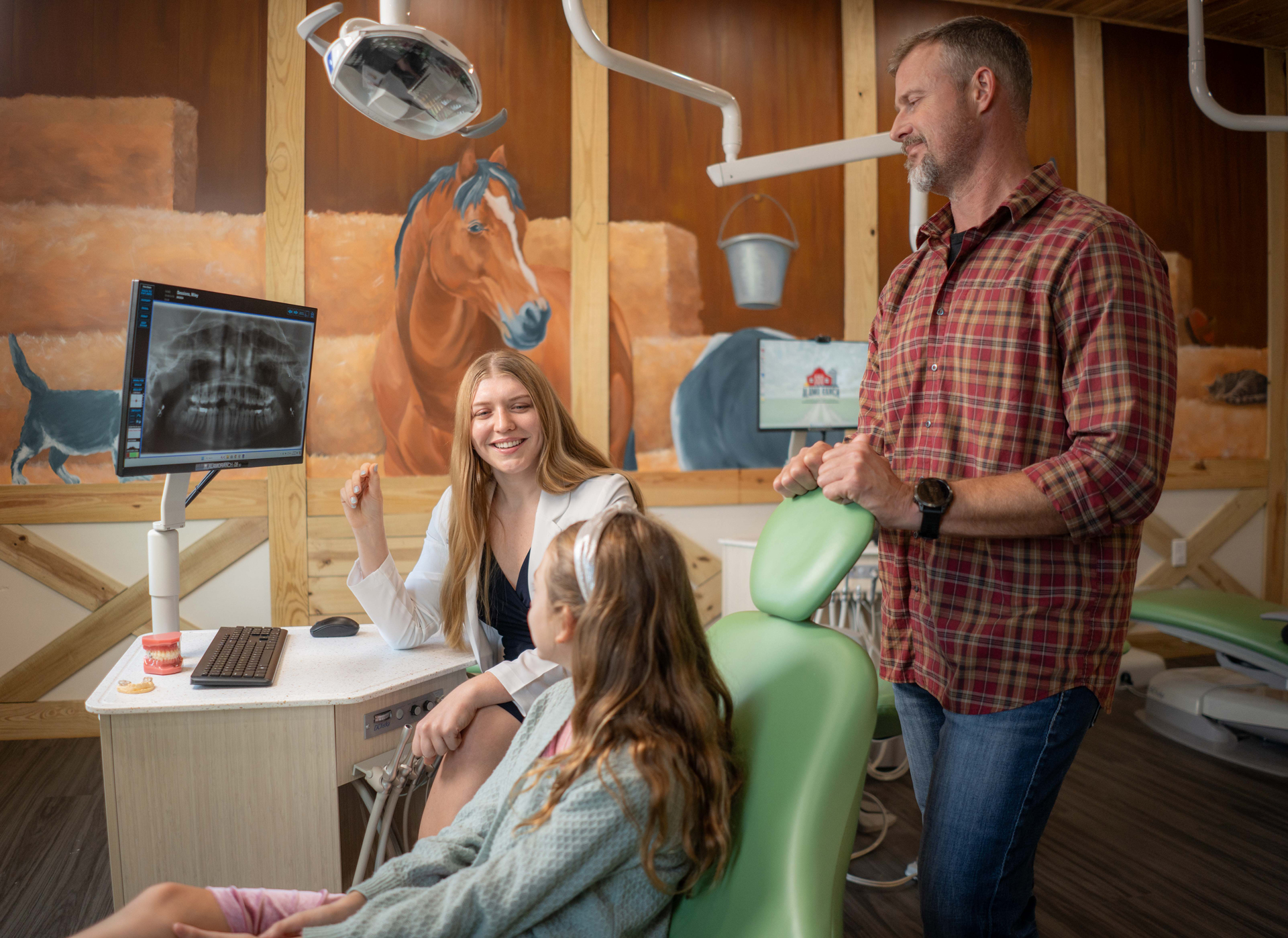
Pediatric dental offices design their environment specifically for children. From the moment your child walks through the door at Alamo Ranch Children's Dentistry & Braces, everything about the space communicates that this is a place created for kids. The cheerful atmosphere, child-sized furniture, entertainment options, and friendly team help children feel comfortable and safe.
Behavior management techniques taught in pediatric dental residencies help children cooperate during treatment. Dr. Victoria Ramirez and Dr. Alina Jafferbhoy use gentle guidance, positive reinforcement, and age-appropriate explanations to help children feel in control and confident. These techniques minimize anxiety while teaching children to view dental care as a normal, manageable part of life.
The Long-Term Benefits of Protecting Baby Teeth
Investing in your child's baby teeth pays dividends that extend far beyond childhood. Children who maintain healthy primary teeth typically experience better outcomes with their permanent teeth.
Healthy baby teeth guide permanent teeth into proper positions, often reducing or eliminating the need for extensive orthodontic treatment. While genetics play a role in alignment, maintaining baby teeth until they naturally exfoliate ensures space is available for permanent teeth. This natural space maintenance proves far less expensive than orthodontic treatment to correct crowding caused by premature baby tooth loss.
Children who grow up with positive dental experiences become adults who prioritize oral health. They understand the importance of regular checkups, don't fear the dentist, and model good habits for their own children eventually. This generational impact multiplies the value of establishing excellent pediatric dental care.
The connection between oral health and overall health becomes clearer every year. Researchers continue documenting links between dental infections and various systemic health problems. Children who maintain healthy mouths avoid not only dental complications but also the potential broader health impacts of untreated dental disease.
Perhaps most importantly, children with healthy teeth smile freely, speak confidently, eat comfortably, and engage fully in childhood activities without dental pain limiting their participation. These quality-of-life benefits during formative years prove invaluable, shaping who your child becomes and how they experience the world.
Your Child's Dental Journey Starts Here
Baby teeth deserve the same level of attention and care as permanent teeth—perhaps even more, given their crucial roles during critical developmental years. These primary teeth serve your child for years, performing essential functions that affect nutrition, speech, jaw development, and the health of permanent teeth waiting to emerge.
At Alamo Ranch Children's Dentistry & Braces, Dr. Victoria Ramirez, Dr. Alina Jafferbhoy, and their compassionate team specialize in making dental care comfortable, effective, and even enjoyable for children throughout San Antonio. Their expertise in pediatric dentistry ensures your child receives care specifically designed for growing smiles.
Don't wait until problems develop. Schedule your child's first dental visit by their first birthday or when their first tooth appears. Early care establishes the foundation for a lifetime of healthy smiles while preventing most of the dental problems that would otherwise require more extensive treatment.
Contact Alamo Ranch Children's Dentistry & Braces today to schedule your child's appointment. Whether your little one needs their first dental visit or you've noticed concerns with their baby teeth, the caring team is ready to provide the specialized pediatric dental care your child deserves. Serving families throughout San Antonio's Alamo Ranch community and beyond, they're committed to protecting your child's smile during every stage of development.
